
SE is a number that stock investors and analysts look at when they’re evaluating a company’s overall financial health. It helps them to judge the quality of the company’s financial ratios, providing them with the tools to make better investment decisions. For mature companies consistently profitable, the retained earnings line item can contribute the highest percentage of shareholders’ equity.
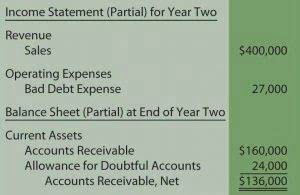
For example, Tesla’s market share is approximately $851 billion based on our calculation. To calculate equity value starting from enterprise value, the process involves removing the value of non-equity claims on the company. In the below-given figure, we have shown the calculation of the balance sheet. Suppose a proprietor company has a liability of $1500, and owner equity is $2000.
Learn financial statement modeling, DCF, M&A, LBO, Comps and Excel shortcuts. The two metrics—equity value and enterprise value—are the two most common methods to measure the valuation of a company. The equity value is the fair market value (FMV) of a company’s common equity at present. Stockholders’ equity is also referred to as shareholders’ or owners’ equity. Dividends are paid out in cash, so the company’s cash account would go down by $10,000.

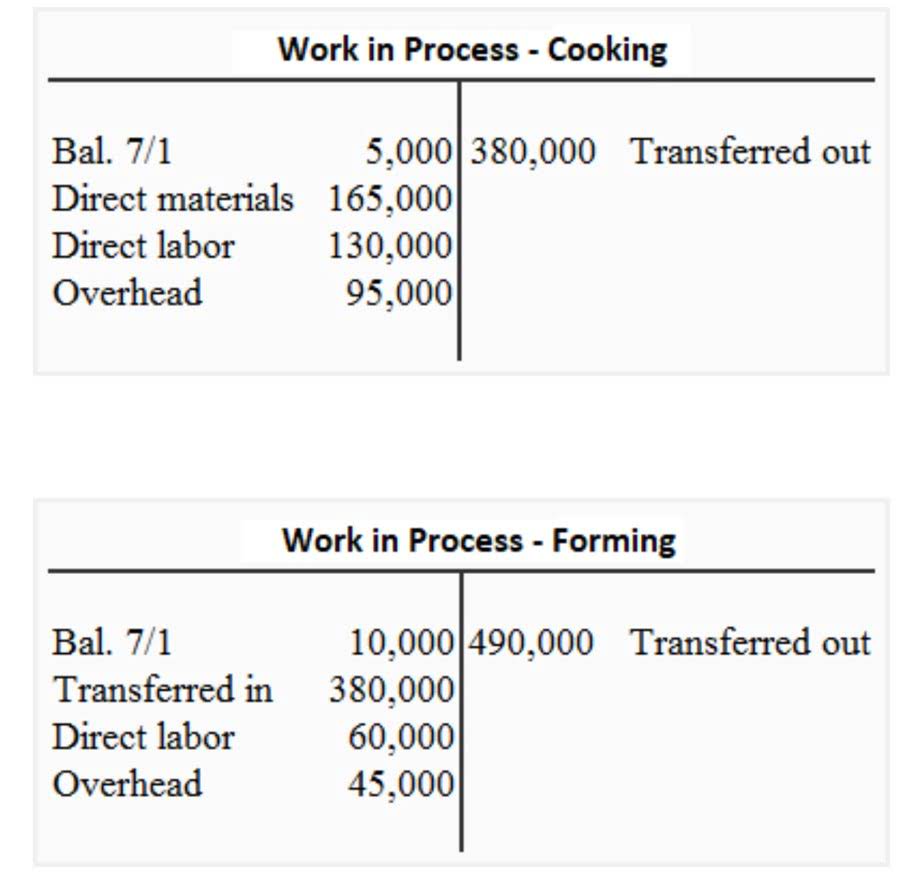
They represent returns on total stockholders’ equity reinvested back into the company. Equity dilution refers to the reduction in shareholders’ ownership stakes due to the issuance of new shares. This can occur when a company decides to raise additional capital or when employees are granted stock options or equity incentives.

The withdrawals are considered capital gains, and the owner must pay capital gains tax depending on the amount withdrawn. Another way of lowering owner’s equity is by taking a loan to purchase an asset for the business, which is recorded as CARES Act a liability on the balance sheet. If a company’s shareholder equity remains negative, it is considered to be in balance sheet insolvency. To arrive at the total shareholders’ equity balance for 2021, our first projection period, we add each of the line items to get to $642,500.
Microsoft Excel provides a balance sheet template that automatically calculates financial ratios such as the D/E ratio and the debt ratio. The most liquid of all assets, cash, appears on the first line of the balance sheet. Companies will generally disclose what equivalents it includes in the footnotes to the balance sheet. Debt and debt equivalents, non-controlling interest, and preferred stock are subtracted as these items represent the share of other shareholders. Cash and cash equivalents are added as any cash left after paying off other shareholders are how to calculate total equity available to equity shareholders. We can calculate average total equity by using formula of total equity value at the end of the current year plus total equity value at the end of the previous year and then divide the result by two.
The representation essentially equates all uses of capital or assets to all sources of capital where debt capital leads to liabilities and equity capital leads to shareholders’ equity. Equity represents the ownership interest in a company and is calculated by subtracting total liabilities from total assets. It reflects the value that shareholders hold in the company and is often a measure of its net worth.
This line item includes all of the company’s intangible fixed assets, which may or may not be identifiable. Identifiable intangible assets include patents, licenses, and secret formulas. Sometimes, a future share price valuation is also used, which is again based on projecting a company’s share price based on P/E multiples of comparable Interior Design Bookkeeping companies and then discounting it back to present value. The most common use of equity value is to calculate the Price Earnings Ratio. While this multiple is the most well known to the general public, it is not the favorite of bankers.